Checking Out The Advantages And Downsides Of Lens Replacement Surgical Treatment


Post Written By-Savage Cline
Refractive lens exchange, also known as refractive lens exchange, has become as a compelling choice for individuals looking to correct their sight. This groundbreaking procedure offers a method for those with refractive errors, such as nearsightedness, farsightedness, and presbyopia, who may not be suitable candidates for LASIK or other laser treatments. As our understanding of vision correction advances, more people are considering personalized lens exchange as a pathway to clearer sight and enhanced living standards.
However, before you begin the journey toward lens replacement surgery, it is essential to know both the pros and cons associated with this procedure. From the various types of available lenses to the recovery process and associated risks, being well-informed can help you make the best decision for your individual needs. In this comprehensive guide, we'll explore the key elements of lens replacement surgery, including who qualifies, costs, recovery timelines, and expert insights on what to expect throughout the process.
Benefits of Intraocular Lens Surgery
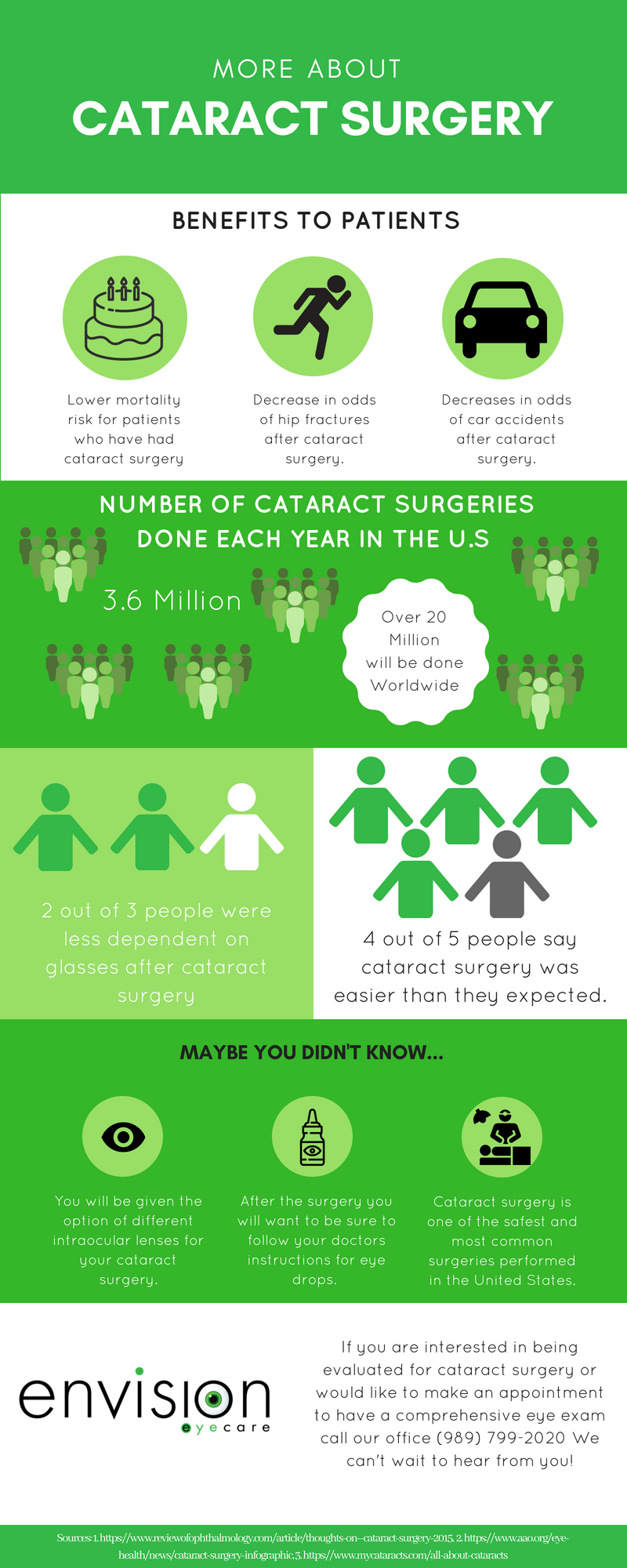
Lens exchange surgery offers considerable benefits, particularly for those with vision problems such as myopia, hyperopia, or astigmatism. By substituting the original lens with a personalized lens implant, patients often attain improved vision without the limitations of glasses or contacts. This procedure can be especially advantageous for individuals with strong vision prescriptions or conditions like age-related vision issues, as it provides a long-term remedy to vision correction.
Another key advantage of lens replacement surgery is its adaptability in treating a wide range of visual impairments. With choices like multifocal lens implants and extended depth of focus lenses, patients can experience better vision at multiple ranges. These premium lens replacement options can enhance not just definition but also the quality of vision, allowing individuals to engage in daily activities with more comfort and satisfaction.
Furthermore, lens exchange surgery is widely regarded as safe and effective, with a high success rate. Many individuals report a quick recovery and notable improvements in vision shortly after the operation. This surgery can be a life-changing option, reducing dependency on eyeglasses and enhancing overall quality of life, making it an attractive option for those seeking long-term vision solutions.
Drawbacks and Concerns
Despite the numerous benefits of lens replacement surgery, it is essential to consider the potential limitations and risks associated with the procedure. One significant concern is the risk of complications, which can consist of infections, bleeding, and inflammation. While these risks are relatively low, they can have grave implications for vision if they occur. Additionally, https://mgyb.co/s/Kmpqs may experience problems such as light glare, halos, or reduced contrast sensitivity, particularly in dim conditions, which can impact visual quality.
Another limitation is the fact that lens replacement surgery is not appropriate for all patients. Candidates must undergo a comprehensive consultation to determine if they are suitable for the procedure. Factors such as existing eye conditions, overall health, and age can influence candidacy. For instance, people with certain corneal diseases or those who are pregnant may be recommended not to undergo the surgery, limiting the potential patient population.
Additionally, while lens replacement surgery can provide considerable improvements in vision, it does not ensure perfect results for all patients. https://medtech.pharmaintelligence.informa.com/MT144100/Tool-For-Evaluating-LASIK-Outcomes-Gets-FDA-Qualification may still need corrective lenses for specific tasks after the surgery. It's important for prospective patients to have practical expectations and understand that while the procedure can significantly improve vision, it may not entirely eliminate the need for glasses, especially as one ages.
Eligibility and Process
Determining candidacy for lens replacement surgery involves a thorough evaluation by an expert surgeon. Ideal candidates generally include individuals over the age of forty-five who are experiencing presbyopia or those with high prescriptions for myopia or farsightedness. Candidates should also have healthy eyes without any prior eye surgeries, significant lens opacities, or severe ocular conditions that could affect the surgery's success. During an initial consultation, a thorough examination of the eyes, including testing for visual acuity and measuring the curvature of the cornea, will help establish whether lens replacement is the right option.
The lens replacement procedure itself is a straightforward process that typically takes about fifteen to thirty minutes per eye. The surgery starts with the application of local anesthesia and sedation to ensure the patient's comfort. Once the patient is relaxed, the surgeon makes a small incision in the cornea and removes the natural lens of the eye using ultrasound technology. After the natural lens is removed, a custom intraocular lens is inserted to replace it. The latest lens options available, such as accommodating and extended depth-of-focus lenses, can provide a more tailored vision correction experience tailored to the patient's specific needs.
After the procedure, patients can expect a relatively fast recovery. Depending on the type of lens selected, the recovery time can differ, but many individuals notice significant improvement in vision within a few days. Post-operative instructions will usually include using prescribed eye drops, avoiding strenuous activities, and attending follow-up appointments to monitor the healing process. While most experience minimal discomfort, some may have mild side effects, which are typically tolerable and resolve relatively quickly.
Cost and Financing Options
The expense of lens replacement surgery can change significantly based on various factors, including the type of lenses opted for, the surgeon's expertise, and the geographical location of the procedure. On average, patients can expect to pay anywhere from three thousand to five thousand dollars per eye. Superior lens options, such as accommodating or long-range lenses, may raise the overall cost due to their innovative technology and benefits.
Health insurance coverage for lens replacement surgery often depends on the particular circumstances of the patient. While a few health plans may cover specific aspects of the procedure, such as if it is considered medically necessary, others may not cover voluntary lens replacements. It is essential to review your coverage plan and talk with your provider to grasp your coverage options and out-of-pocket expenses.
For those interested about the financial aspect of lens replacement surgery, different financing options are available. Many clinics present payment plans, which allow patients to distribute the cost over time. Additionally, FSAs and Health Savings Accounts can be employed to cover a portion of the expenses. It is recommended to evaluate financing options during the consultation process to determine a solution that fits your budget and needs.